
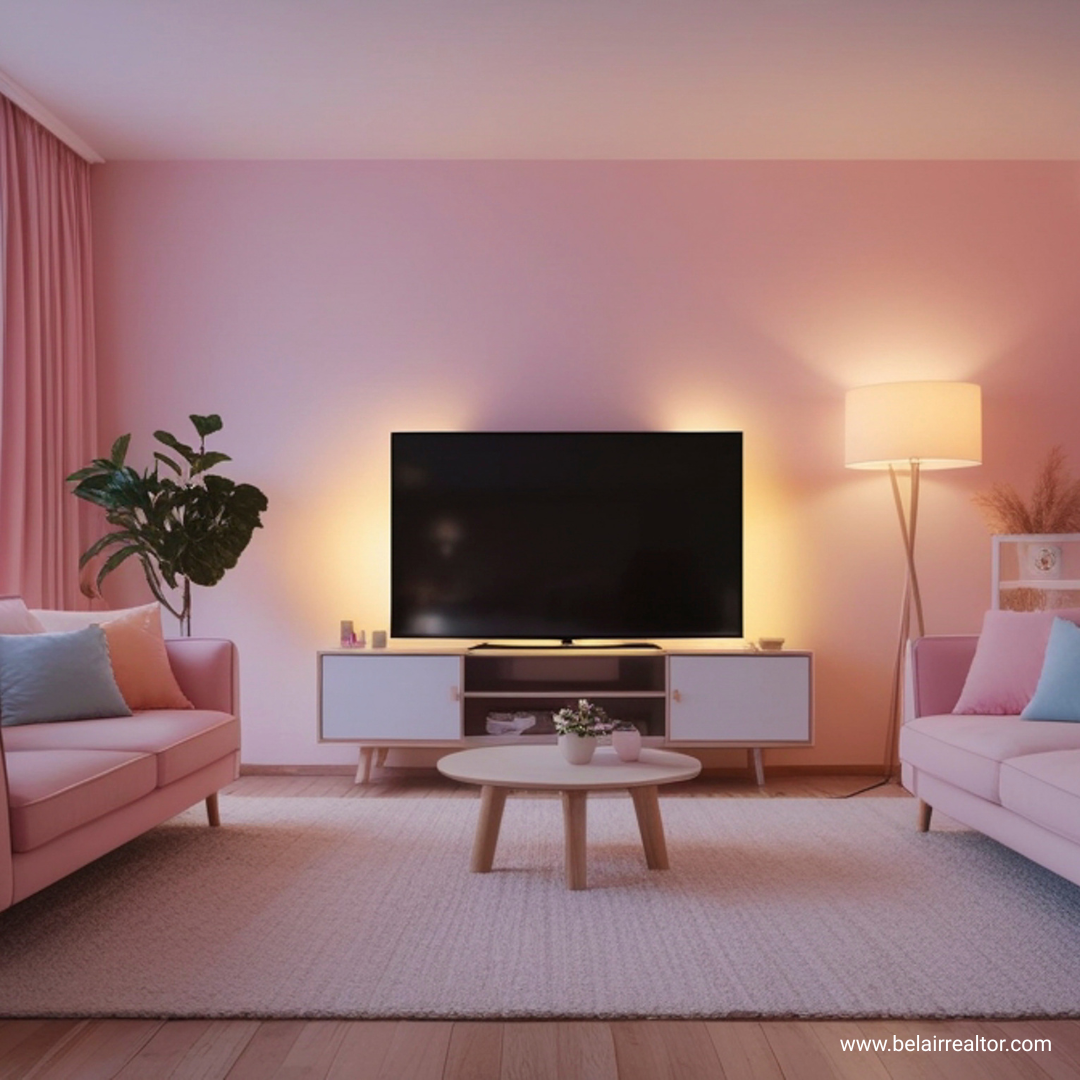
What Decreases Property Values the Most? Things Homeowners Can Control
A future home seller asked me the other day, “What decreases property values the most?”
Many times I am asked, “How do I increase my home’s value?” So I thought this was a great question.
There are certainly things homeowners cannot control, such as market conditions, interest rates, or the location of their home, that affect property values. In the spirit of what this home seller was asking, I am going to focus on the things that are within a homeowner’s control.
I work with both home sellers and home buyers, which I enjoy because it gives me perspective from both sides of the transaction. After touring hundreds of homes throughout the greater Harford County area, there are several issues I see from time to time when buyers walk through a property. When buyers notice these things, they often start mentally discounting the price of the home right away.
Here are some of the most common factors that can decrease property value.
Deferred Maintenance
This is easily the number one issue I see.
When buyers walk into a home and notice multiple maintenance issues, it immediately raises concerns. Scuff-marked walls, damaged trim, burnt-out light bulbs, worn carpeting, aging roofs, broken fixtures, and poorly maintained systems make buyers wonder what else may have been neglected.
Even if the issues are mostly cosmetic, buyers tend to assume there could be larger problems behind the walls. The result is often lower offers because buyers start budgeting for repairs.
Staying on top of regular maintenance is one of the easiest ways to protect your home’s value.
Outdated Kitchens and Bathrooms
Kitchens and bathrooms carry a lot of weight with home buyers. These are the rooms people pay the most attention to during a showing. When I show homes, buyers tend to head straight to the kitchen, and it is often where they start forming their overall opinion of the house. If the kitchen is updated, they continue through the home with some enthusiasm. If it feels very dated, many buyers will mentally check out for the rest of the showing.
That does not mean every home needs a brand new luxury kitchen, but very outdated finishes can affect buyer perception. Old cabinets, laminate countertops, worn fixtures, and linoleum flooring can make a home feel older than it really is.
Buyers also tend to estimate renovation costs quickly, and those numbers can often be higher than most homeowners expect. When several buyers believe, they will need to update the same areas, that usually shows up in the form of lower offers.
Unusual Paint Colors
I talk about this in many of my blogs about preparing a home for sale, but it is so important that it is worth repeating. Paint is one of the easiest things to change, but it can still have a surprisingly strong impact on how buyers view a home.
Bold color choices such as very dark walls, bright accent colors, or highly personalized color schemes can make it harder for buyers to picture themselves living in the home. Instead of focusing on the layout or features, buyers start thinking about how much repainting will be needed.
Neutral paint colors tend to appeal to a wider group of buyers and help rooms feel brighter and larger.
Home Improvements That Look DIY
Sometimes homeowners try to save money by doing projects themselves, but when the work does not look professionally done it can raise concerns. Uneven tile work, poorly installed flooring, crooked trim, or sloppy drywall repairs can stand out during showings.
I remember working with one seller who decided to update his kitchen himself before putting the home on the market. His idea was to modernize the space with black paint. The problem was that he did not just paint the walls. He painted everything. The walls, the trim, the cabinets, and even the ceiling were all painted black.
Unfortunately, the job itself was also not done well. You could see brush marks, paint drips all over the place, and uneven coverage throughout the room. Instead of making the kitchen feel modern, it made the space feel dark, heavy, and unfinished.
Well done improvements usually add value and help buyers feel confident about a property. Poorly executed improvements can sometimes have the opposite effect and make buyers feel like they will need to undo work before they can even start making the home their own. My recommendation is that if the project is in a highly visible area of the home, like the kitchen, it is usually best to hire a professional.
Smells Inside the Home
This is something people do not always think about, but buyers notice it right away.
Strong odors from pets, smoke, cooking, or musty basements can immediately affect a buyer’s impression of the home. Even if the property is otherwise in great condition, smells can create a negative first impression that is hard to overcome.
A clean, fresh smelling home helps buyers feel more comfortable and confident about the space. Many homeowners also become “nose blind” to the smells in their own home and simply stop noticing them over time. Because of that, I often recommend asking a friend, family member, or even your Realtor to walk through the home and give you an honest opinion about any odors they notice.
Mold or Signs of Moisture
Moisture issues are a major red flag for many buyers.
Visible mold, water stains, damp basements, or musty smells often lead buyers to worry about larger structural or health concerns. Even small moisture problems can cause hesitation.
Addressing drainage issues, fixing leaks, and maintaining proper ventilation can help prevent these problems from developing in the first place.
Strange Layouts or Awkward Additions
Floor plans matter more today than ever before.
Buyers tend to prefer homes that flow well from room to room. When homes have unusual layouts, small closed off spaces, or additions that do not blend well with the original structure, buyers sometimes struggle to understand how the space will work for them.
I occasionally see additions that were added years later but feel disconnected from the rest of the home. When a space feels awkward or confusing, it can affect buyer demand.
Thoughtful renovations that maintain a natural flow tend to hold value much better.
At a minimum, if you have changed the purpose of a room, try to revert it back to its original use. For example, if you turned a dining room into an art room for the kids, it is usually best to set it back up as a dining room before putting the home on the market.
The Good News for Homeowners
The encouraging part is that many of these issues are manageable.
Keeping up with maintenance, making thoughtful updates, choosing neutral finishes, and addressing moisture or odor issues can go a long way toward protecting your home’s value.
Sometimes small changes make a bigger difference than homeowners expect.
If you ever wonder how certain features or improvements might impact your home’s value here in Bel Air or Harford County, I am always happy to share what I am seeing in the local market. Walking through homes every week gives me a good perspective on what today’s buyers are noticing and what helps homes stand out in a positive way.
To read more on getting your home ready to sell, see;
Do I need to paint before selling my home?
What’s the fastest way to sell a house in a competitive market?
What Are the Top Home Improvement Services to Boost Resale Value?
How do I prepare my house for sale to maximize its value?
Follow Leigh on Facebook at; (6) Facebook