
Should You Stage Your Home Before Selling? A Realtor’s Perspective 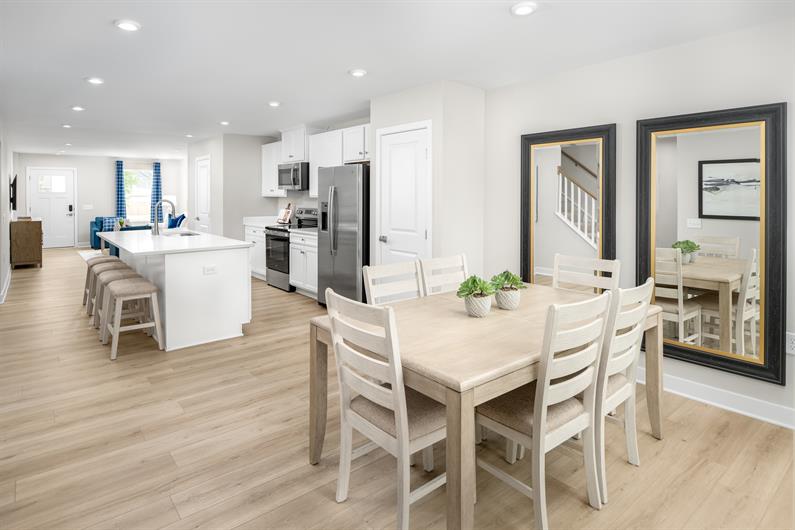
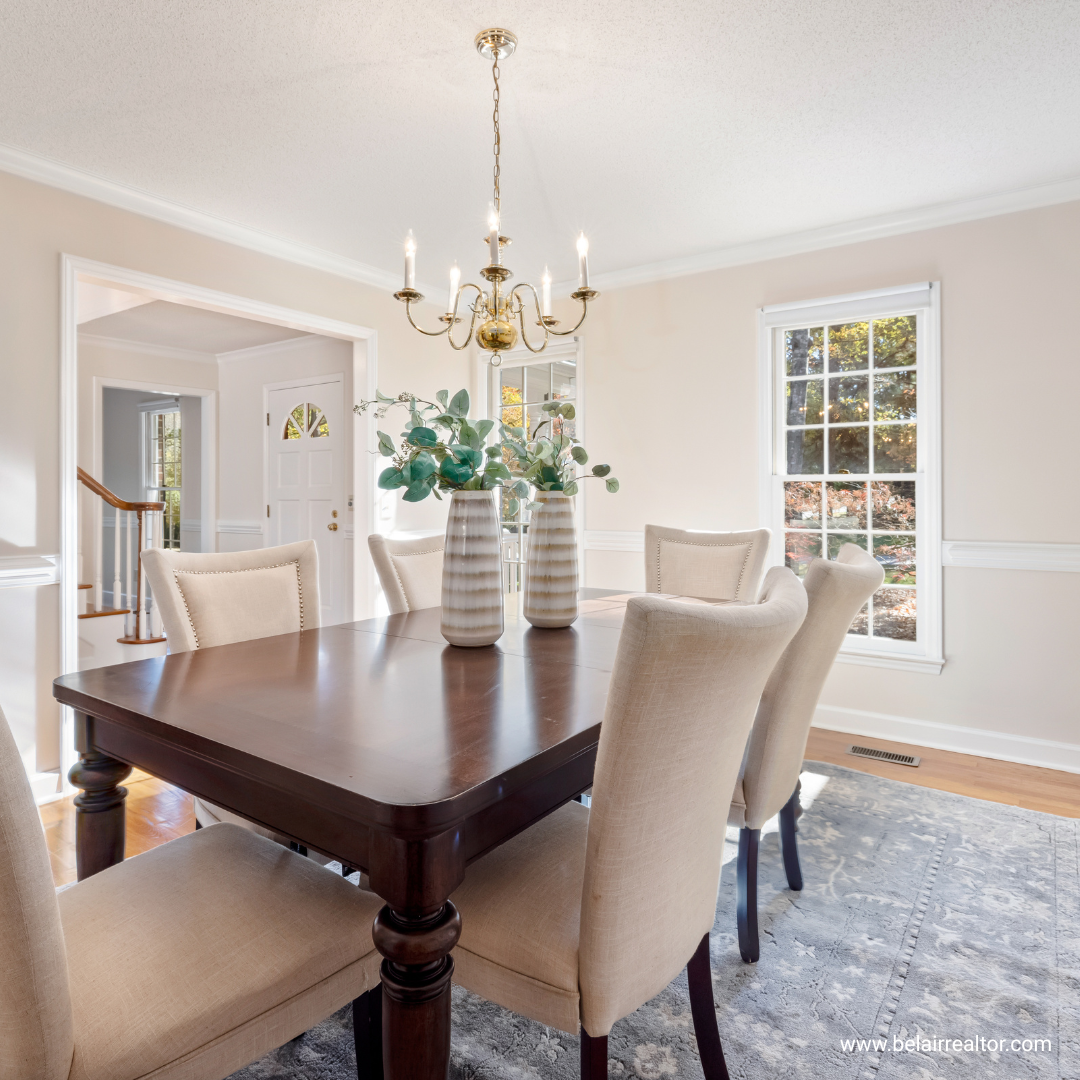
One of the questions I get from sellers is whether staging is really worth the money. My answer is usually that it depends on the home, but in many cases, staging can make a meaningful difference in how buyers respond to a property.
It’s so important to me that as part of my real estate services, I have a professional stager come into the home and provide a consultation. That does not necessarily mean bringing in an entire house full of rented furniture. In many occupied homes, the stager works with what the seller already has and recommends relatively simple changes that can help the home show better.
Sometimes that may include purchasing a few inexpensive pieces of decor, but much of the process is really about presentation.
Not Every Home Needs Professional Staging
Some homeowners have a great eye for decorating and already have their home set up in a way that photographs and shows well. In those situations, I may not recommend additional staging beyond the initial consultation and a few adjustments.
There are other situations where I think professional staging becomes much more valuable.
Vacant homes are a good example. I also tend to recommend staging for smaller homes and homes with unusual floor plans. Furniture can help buyers understand how a room is supposed to function, how much furniture will comfortably fit, and how they might actually live in the space.
Budget matters too. Staging is not cheap, so every seller has to decide what makes sense for their particular situation.
Start With What You Already Have
For an occupied home, staging often starts with subtraction rather than addition.
Decluttering is usually one of the first steps. Rooms tend to feel larger and easier to understand when there is less furniture, fewer accessories, and less visual clutter.
Brightening the home is also important. That can mean removing or opening window coverings to allow more natural light into the room and replacing dim or mismatched light bulbs.
I also recommend depersonalizing the home as much as reasonably possible. That means removing family photographs and personal items that make the house feel very specific to the current owner.
Some sellers worry that this makes the home look boring. For some buyers, maybe it does. But when preparing a home for sale, I believe the goal should be to appeal to the widest possible audience.
A neutral, depersonalized home generally makes it easier for buyers to picture themselves living there.
Put Rooms Back to Their Intended Purpose
Another important part of staging is making sure buyers immediately understand what each room is.
Over time, homeowners naturally adapt their homes to their lifestyles. A dining room might become an office. A bedroom might turn into a workout room. A sitting room might become storage.
Those arrangements may work perfectly well for the seller, but they can sometimes confuse buyers.
Whenever possible, I like to restore rooms to their original or most logical purpose before the home goes on the market. Buyers should not have to work too hard to figure out what a space is supposed to be.
Pay Attention to the Flow of the Home
One of the things I emphasize most when preparing a home for sale is flow.
There are natural pathways through every home. Furniture should not interfere with those pathways.
You should never have to turn your body sideways to squeeze through an area or constantly walk around furniture to get from one room to another. Doorways should never be partially blocked.
I tell sellers to walk through their home the way a buyer will experience it.
Start at the front door.
Look at the entryway first. Then move into the room a buyer would naturally enter next. Continue through the house in that same order.
That exercise can make it much easier to recognize furniture that is too large, unnecessary, or positioned in the wrong place.
Vacant Homes Can Be Hard for Buyers to Visualize
Vacant homes are one of the situations where I see the strongest argument for staging.
An empty room may seem like a blank canvas, but many buyers have difficulty visualizing furniture placement and understanding the scale of a room without anything in it.
Staging can make the home feel warmer, demonstrate how the rooms can be used, and help buyers understand spaces that might otherwise seem awkward.
I have seen this firsthand.
I had an investment property that I initially tried to sell vacant. After several weeks without an offer, I decided to have the home professionally staged.
After staging the property, we received three offers.
Of course, every property and market situation is different, but the experience reinforced something I have noticed many times while showing homes. When I walk through a properly staged home with buyers, they generally respond more favorably to it.
Is Home Staging Worth the Cost?
Professional staging can be expensive, but in most situations where I recommend it, I believe it is worth considering.
My expectation is that a seller should be able to recoup the cost through some combination of stronger buyer interest, a faster sale, and potentially a higher selling price.
That does not mean every home needs to be fully staged.
Sometimes the right answer is simply decluttering, rearranging furniture, improving lighting, depersonalizing, and making a few inexpensive decorating changes. Other properties may benefit significantly from bringing in furniture and professionally staging several key rooms.
The goal is not to create a perfectly decorated house.
The goal is to present the home in a way that allows the greatest number of buyers to walk through the door, understand the space, feel comfortable in it, and picture themselves living there.
That is ultimately what good staging is supposed to accomplish.
Follow Leigh at (20+) Facebook