
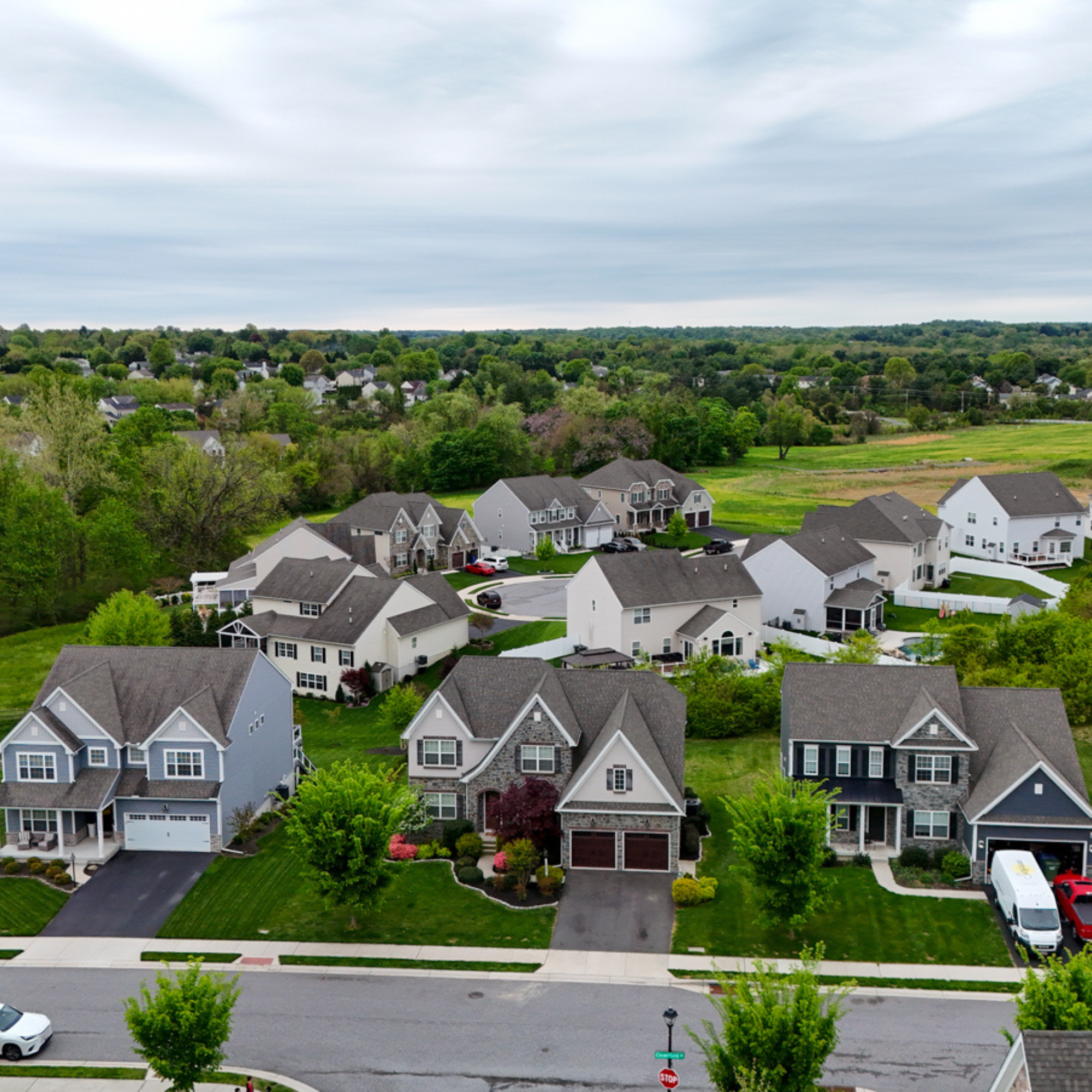
How to Learn About Neighborhoods in Bel Air, Maryland
Choosing a home involves more than deciding how many bedrooms you need or what style of house you prefer. The surrounding neighborhood can affect your commute, daily routine, expenses, and overall experience of living in the home.
As a Harford County Realtor, I am often asked which neighborhoods in Bel Air or Harford County are the best. The truth is that there is no single neighborhood that is right for everyone. Buyers have different priorities, so the better question is: Which neighborhood fits your needs?
Here are several practical ways to research and compare neighborhoods in Bel Air, Maryland.
Start With What Is Important to You
Before researching individual neighborhoods, write down what matters most to you.
Consider questions such as:
- How close do you want to be to work?
- Do you want to live near shopping and restaurants?
- Would you prefer a rural or suburban setting?
- Do you want an HOA, or would you rather avoid one?
- Are sidewalks important to you?
- Do you need a garage, driveway, or additional parking?
- How much property maintenance are you comfortable handling?
- Do you want a single-family home, townhome, or condominium?
- How much space do you want between your neighbors?
Try separating your list into necessities and preferences. This can help you avoid eliminating a neighborhood because it lacks something that would be nice to have but is not truly essential.
Use Google Maps to Narrow Your Search
Once you identify your priorities, Google Maps is a useful place to begin.
Look at the distance between different parts of Bel Air and the places you regularly visit. This may include your workplace, grocery stores, medical providers, parks, restaurants, gyms, or family members.
Do not rely only on the mileage shown on the map. A location may appear close to work, but the actual commute can be affected by intersections, school traffic, construction, and the roads you need to travel.
Google Maps can give you a general idea of which areas may fit your routine before you begin looking closely at specific communities.
Research Individual Neighborhoods Online
There are several online resources that can help you learn more about neighborhoods.
Neighborhoods.com provides basic information about some communities, although the amount of detail available can be limited. Realtor.com also offers an interactive neighborhood flyby that can help buyers understand where homes are located in relation to other homes and nearby amenities.
You may also find neighborhood pages on real estate websites. However, some of these pages contain generic or automatically generated information that tells buyers very little about the actual community.
I have created neighborhood pages on my website using my experience as a local Realtor, property information, past sales, maps, and additional online research. These pages provide information about home styles, approximate construction periods, community layouts, nearby destinations, HOA considerations, and other details buyers may want to know.
Online research is a useful starting point, but it should not replace visiting the neighborhood yourself.
Visit the Neighborhood in Person
After narrowing down your options, drive through each neighborhood and pay attention to what you see and hear.
Look at:
- Traffic flow
- Road and property conditions
- Noise levels
- Street parking
- Driveway sizes
- People using sidewalks or outdoor areas
- Distance to stores and major roads
- General upkeep throughout the community
These are objective observations that can help you decide whether the physical characteristics and location of a neighborhood match your preferences.
Visit at Different Times of Day
Traffic patterns are one of the most commonly overlooked parts of choosing a neighborhood.
A community may seem quiet during a weekday afternoon but feel very different during the morning commute or after school. A road that appears easy to travel at noon may become heavily congested at 5:00 p.m.
Visit the neighborhood:
- Before work
- Around school arrival or dismissal times
- During the evening commute
- After dark
- On a weekend
Pay attention to how long it takes to enter and leave the community. Also look at traffic on the roads surrounding it, especially if there is only one main entrance.
Visiting more than once gives you a better understanding of how the area functions throughout a normal day.
Talk to People Who Live There
When two neighborhoods both seem like good options, consider speaking with people who already live there.
Residents may be able to share practical information that is difficult to find online. You might ask about traffic, parking, HOA communication, snow removal, community events, road maintenance, or other everyday matters.
Keep in mind that each resident’s experience is personal. Speaking with several people may provide a more balanced picture than relying on one opinion.
You can also look for community social media groups, although online comments should be viewed carefully. People are often more likely to post when they have a complaint than when everything is going well.
Compare the Homes as Well as the Location
Two neighborhoods in the same part of Bel Air can offer very different housing options.
One community may primarily contain townhomes with HOA-maintained common areas. Another may have older single-family homes on larger lots. A newer neighborhood may offer modern floor plans but smaller yards and higher association fees.
Compare:
- Home prices
- Property taxes
- HOA or condominium fees
- Lot sizes
- Home ages
- Parking arrangements
- Exterior maintenance responsibilities
- Common home repairs
- How frequently homes become available
A neighborhood may have the location you want, but the homes must also fit your budget and lifestyle.
Choose the Neighborhood That Fits Your Priorities
The goal is not to identify the “best” neighborhood in Bel Air. It is to find an area that fits your daily routine, housing needs, budget, and personal preferences.
Begin by defining what matters to you. Use maps and neighborhood resources to narrow your options. Then visit the communities at different times, observe the surroundings, and speak with residents when possible.
As a local Harford County Realtor, I can provide information about homes, locations, community features, recent sales, and available properties. The final decision should be based on what feels practical and appropriate for you.